
What is a Cataract?
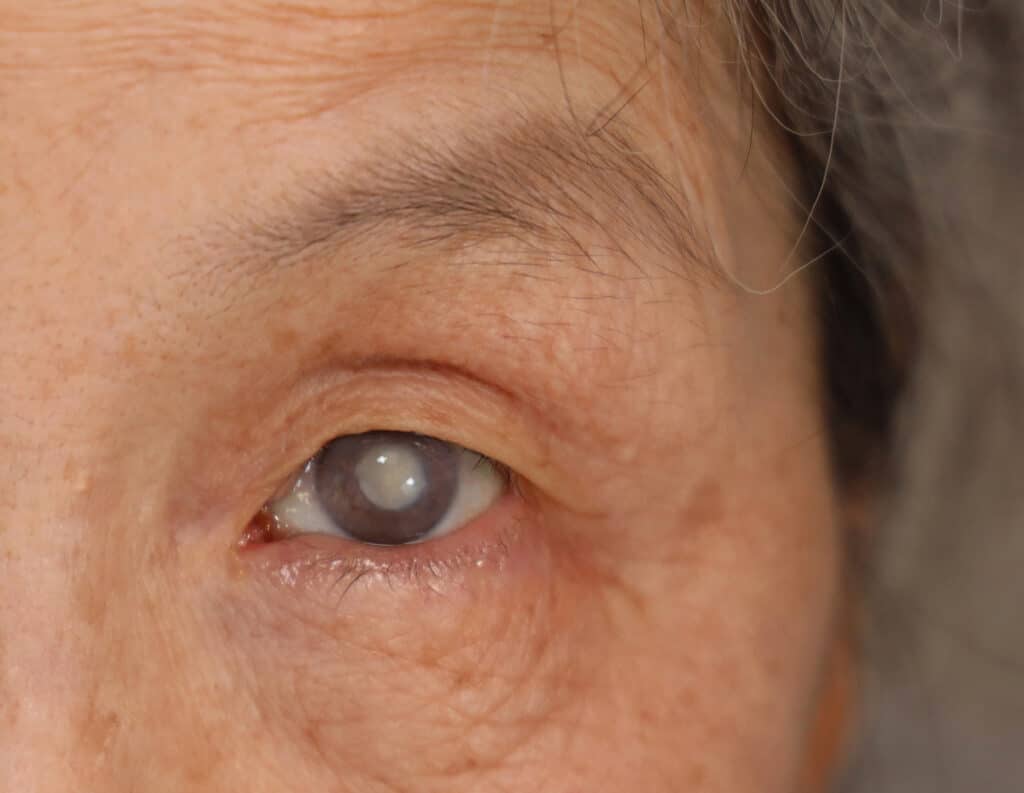
A cataract is a condition where the lens of your eye becomes cloudy. It happens because proteins in the lens break down and stick together, clouding the lens and reducing the amount of light that can pass through your eye. This typically occurs over a period of years.
This is a common condition that often starts to affect many people around age 50, and most people will develop cataract symptoms by their 80s. While cataracts are a natural part of ageing, cataract surgery can help you maintain your quality of life and independence.
What Causes Cataracts?
While ageing is the most common cause of cataracts, several other factors can contribute to their development. Prolonged exposure to ultraviolet light, smoking, diabetes, certain medications such as corticosteroids, and eye injuries can all increase your risk of developing cataracts earlier or more rapidly. Some people are also born with cataracts or develop them during childhood due to genetic factors or infection during pregnancy.
Knowing these risk factors can help you take preventive measures. However, even with the best care, most people will eventually develop cataracts as a natural consequence of ageing.
What Are the Symptoms of a Cataract?
Common symptoms of cataracts include:
- Blurred, faded or changed colour vision
- Increased light sensitivity
- Distortion or double vision in one eye
- Difficulty with night vision and driving after dark
- Seeing halos around lights
- Needing brighter light for reading and other activities
- Frequent changes in your glasses or contact lens prescription
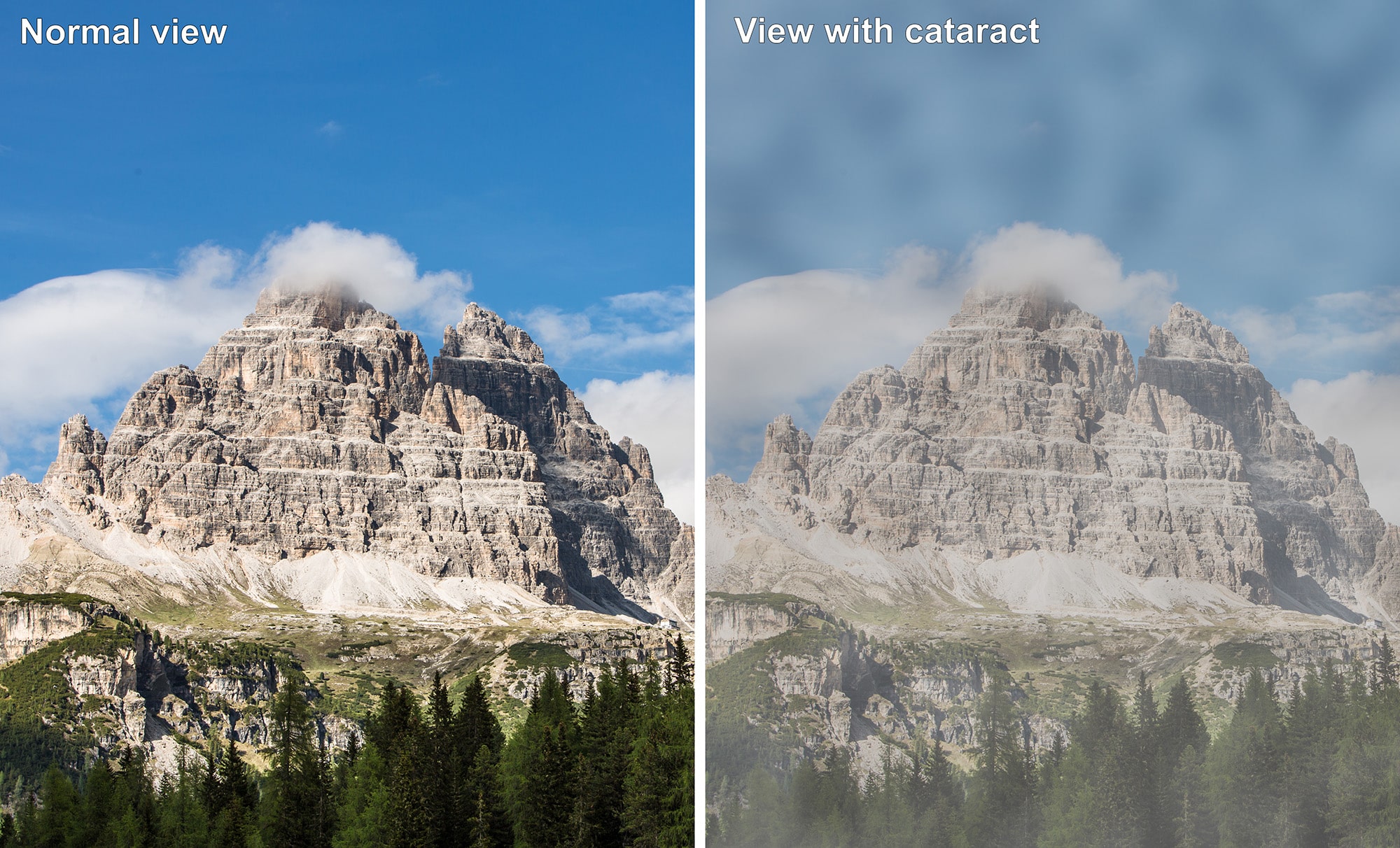
The clouding over your eye’s lens affects your vision. You might notice a haze, less vibrant colours, or increased glare. Cataracts may develop in one eye or progressively affect both eyes. Many people first notice symptoms at night or when driving.
If you are experiencing any of these symptoms, it’s important to schedule a comprehensive eye examination with your eye doctor at The Eye Health Centre to determine whether cataracts are the cause.
When Should You Consider Treatment?
The decision to proceed with cataract surgery is a personal one that depends on how your vision affects your daily life.
You might consider treatment when cataracts interfere with your ability to:
-
- Read
-
- Drive
-
- Watch television
-
- Recognise faces
-
- Work effectively
-
- Participate in hobbies you enjoy
Your ophthalmologist will discuss your symptoms, lifestyle needs, and vision goals to help determine the right timing for surgery
What is Cataract Surgery?
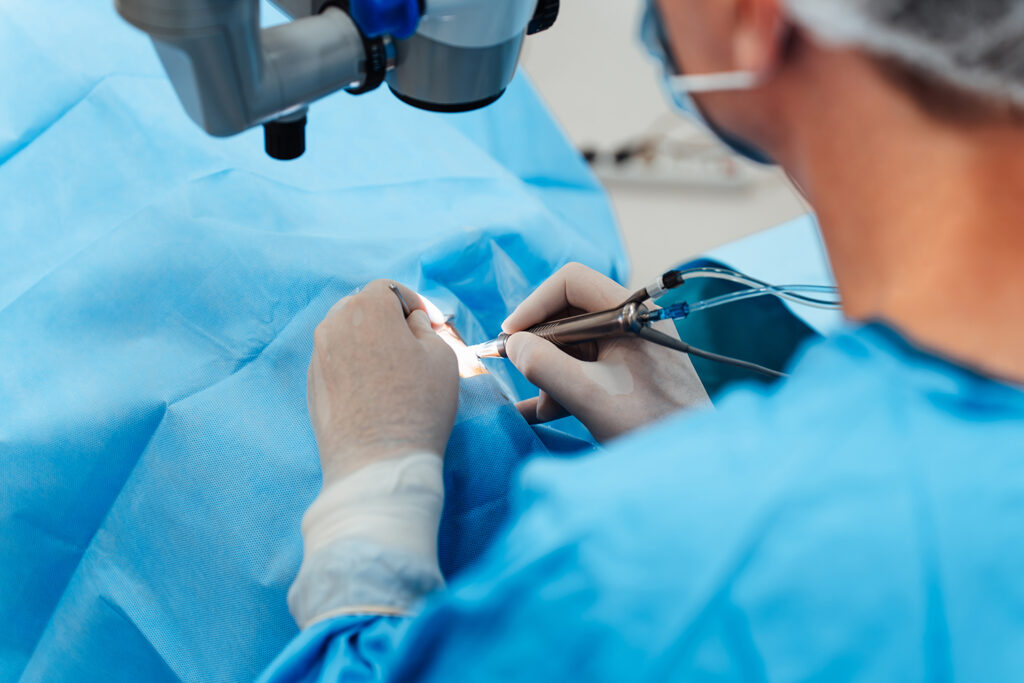
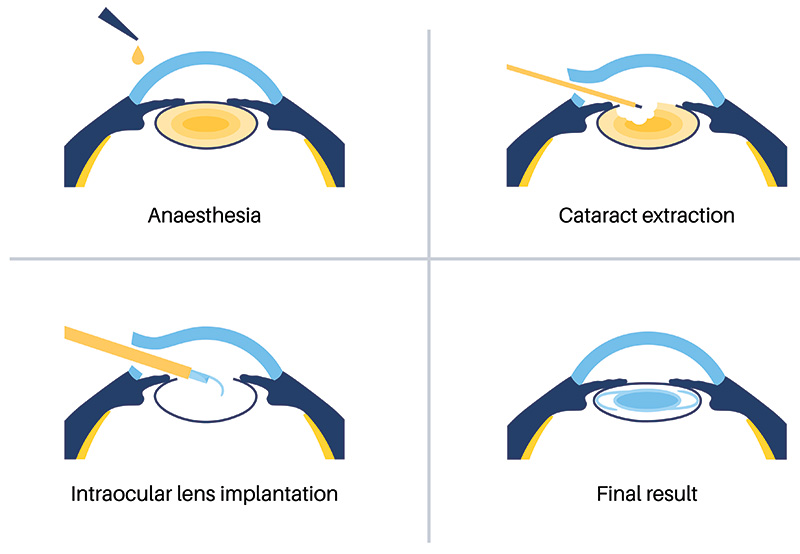
Cataract surgery is common, safe, and highly effective. It is the only way to remove a cataract. The procedure is typically performed in hospital under local anaesthetic to numb the eye.
During surgery, your cataract surgeon removes the clouded natural lens and replaces it with a clear artificial lens called an intraocular lens implant (IOL). This lens is customised to your eye’s shape to provide accurate focus and clear vision. The procedure usually takes less than 30 minutes. Most patients notice significant improvement in their vision within a few days.
Modern cataract surgery is performed through a tiny incision that generally heals without stitches. Most patients return home the same day and resume normal activities shortly afterward.
How Do We Treat Cataracts?
In the early stages, a cataract may not need treatment. Currently, no medications or supplements have been proven to reverse cataracts. There are also no exercises or optical devices that can prevent or cure them.
Sun protection, such as glasses that block UV light, may slow development but will not cure cataracts. Regular eye examinations help monitor progression so you and your ophthalmologist can plan the best time for intervention.
Once vision has reduced to the stage where it impacts your lifestyle, work ability, or driving safety, surgery is required to restore vision and quality of life.
Advanced Diagnostic Technology for Optimal Results
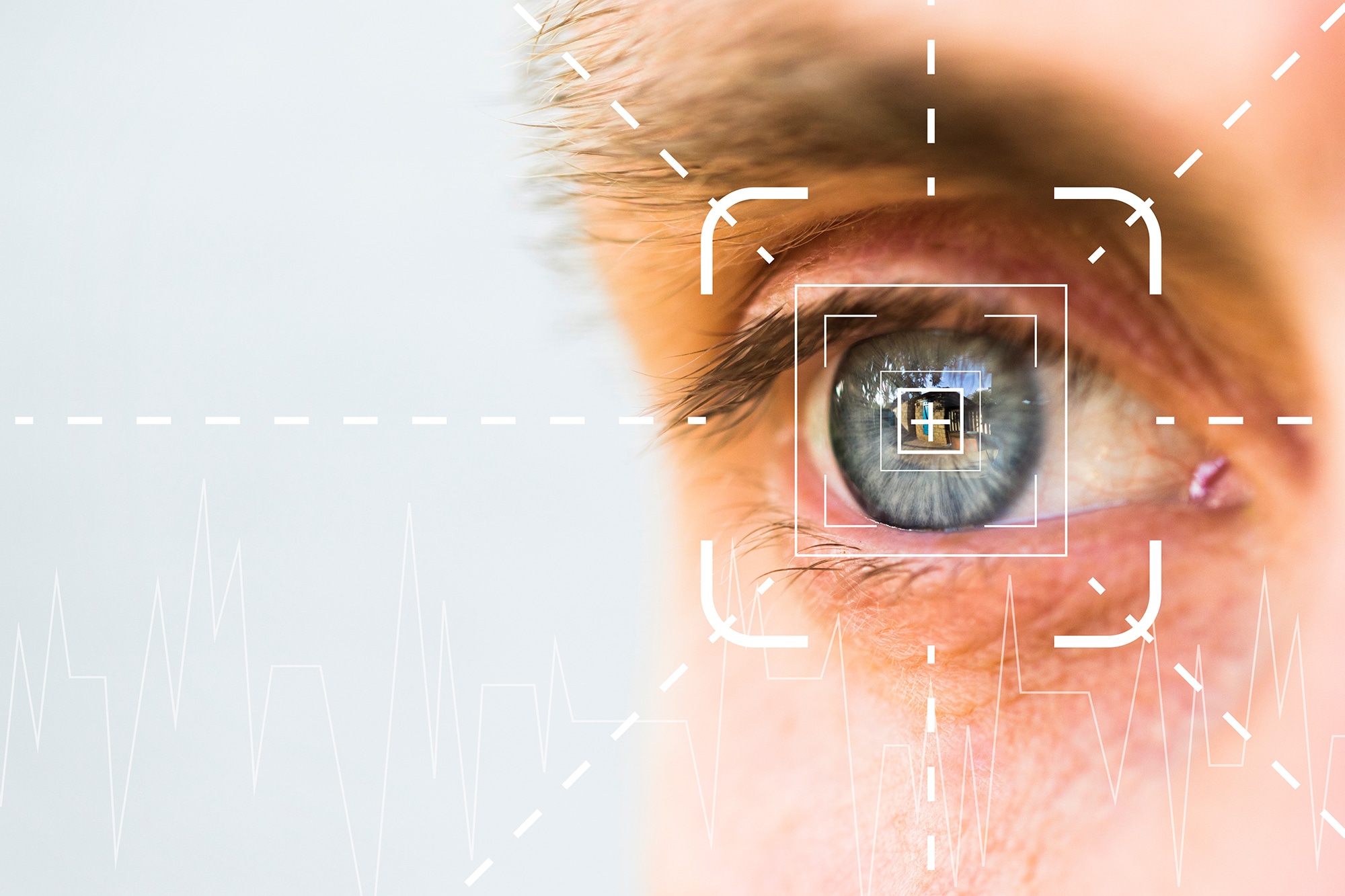
At The Eye Health Centre, we use state-of-the-art diagnostic equipment to ensure accurate assessment and precise selection of your intraocular lens. Our optometrists work closely with our ophthalmologists, using advanced scans and comprehensive assessments to determine the most suitable IOL for each patient.
Our technology includes:
- Ocular biometry
- Corneal analysis
- Wavefront aberrometry
- Retinal imaging
These measurements create a detailed map of your eye’s unique characteristics, ensuring your new lens is perfectly matched to your visual needs. This thorough process allows us to predict visual outcomes with remarkable accuracy and deliver the clearest possible vision for your lifestyle.
What Are Intraocular Lens Implants?
Intraocular lens implants (IOLs) are artificial lenses that replace your natural lens during cataract surgery. At The Eye Health Centre, we use premium hydrophobic lens technology from trusted manufacturers, including Alcon and Johnson & Johnson. These lenses are designed for longevity and customised to each patient’s unique visual requirements. Modern IOL technology has advanced significantly. Today’s lenses can not only restore vision but may improve it beyond what you experienced before developing cataracts.
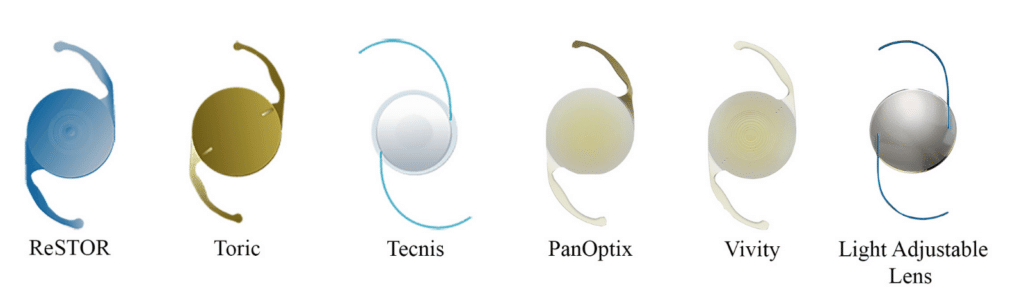
Your lens choice depends on your vision needs, lifestyle, eye health, and the severity of your cataract.
Monofocal IOLs
Monofocal IOLs have a single focal point and provide clear vision at one distance, typically for distance vision. This is an excellent option if you don’t mind wearing reading glasses for close-up tasks. Many patients choose distance monofocal IOLs so they can see clearly across the room and while driving, then use glasses for reading or computer work.
Multifocal IOLs
Multifocal IOLs provide vision at multiple distances: near, intermediate, and far. These lenses can reduce or eliminate your dependence on glasses for most daily activities. They work by splitting light into different focal points, allowing your brain to select the appropriate focus. Most patients adapt quickly and enjoy the convenience these lenses provide.
Extended Depth of Focus (EDOF) IOLs
Extended Depth of Focus (EDOF) lenses represent the latest advancement in IOL technology. They provide a continuous range of clear vision from distance through intermediate ranges, with some near vision capability. EDOF lenses often produce fewer visual disturbances, such as halos or glare, compared to traditional multifocal lenses. This makes them an excellent option for patients who drive frequently at night or have high visual demands. These lenses are designed to work with your eye’s natural focusing ability, providing smooth and natural transitions throughout your day.
Choosing the Right IOL for You
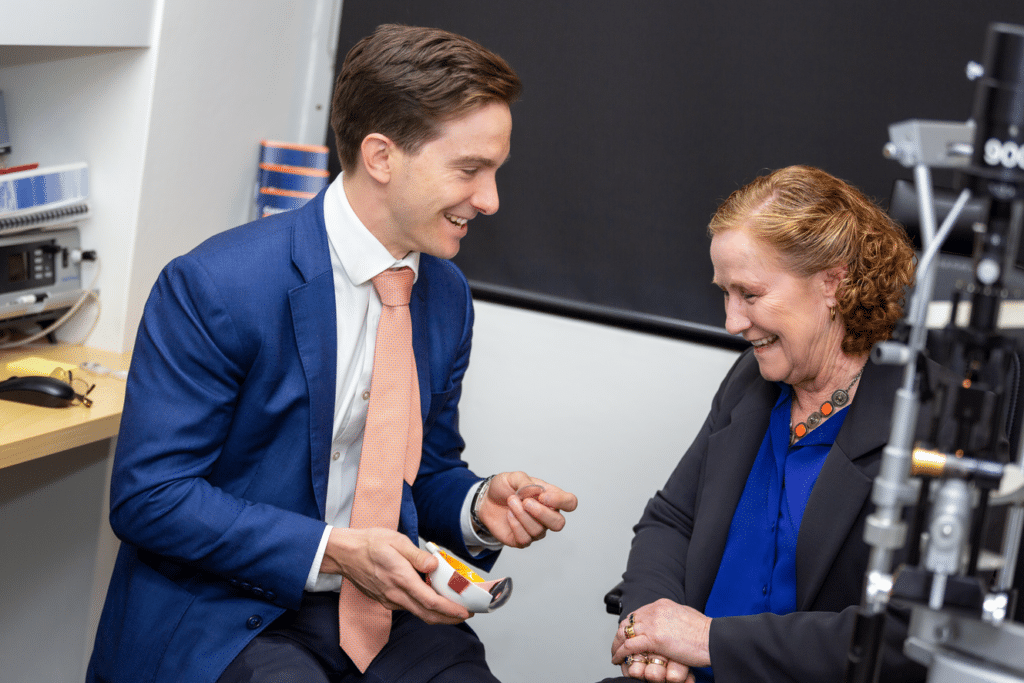
Selecting the most appropriate intraocular lens is a collaborative process between you, your optometrist, and your ophthalmologist.
We will discuss your:
- Lifestyle
- Visual goals
- Hobbies
- Work requirements
- Concerns about your vision
Whether you are an avid reader, spend long hours at a computer, enjoy outdoor activities, or have specific professional needs, we will recommend a lens that aligns with your priorities.
During your consultation, we explain the benefits and considerations of each option so you can make a confident decision.
What to Expect After Cataract Surgery
Recovery is typically straightforward.
You will need to:
- Use prescribed eye drops
- Attend follow-up appointments
It is normal to experience mild discomfort, light sensitivity, or watery eyes during the first few days. These symptoms usually resolve quickly.
Many patients are surprised at how much brighter and more vibrant colours appear after surgery, as they may not have realised how much the cataract was affecting their colour perception.
Why Choose The Eye Health Centre?
Our team combines extensive experience with advanced technology to deliver exceptional cataract surgery outcomes. We take the time to understand your unique needs and guide you through every step — from consultation through surgery and recovery.
Do you have a question or concern about cataracts? Schedule an appointment with one of the experienced cataract surgeons in Brisbane at The Eye Health Centre.