
What is dry eye syndrome?
Your guide to dry eye causes, symptoms and treatments.
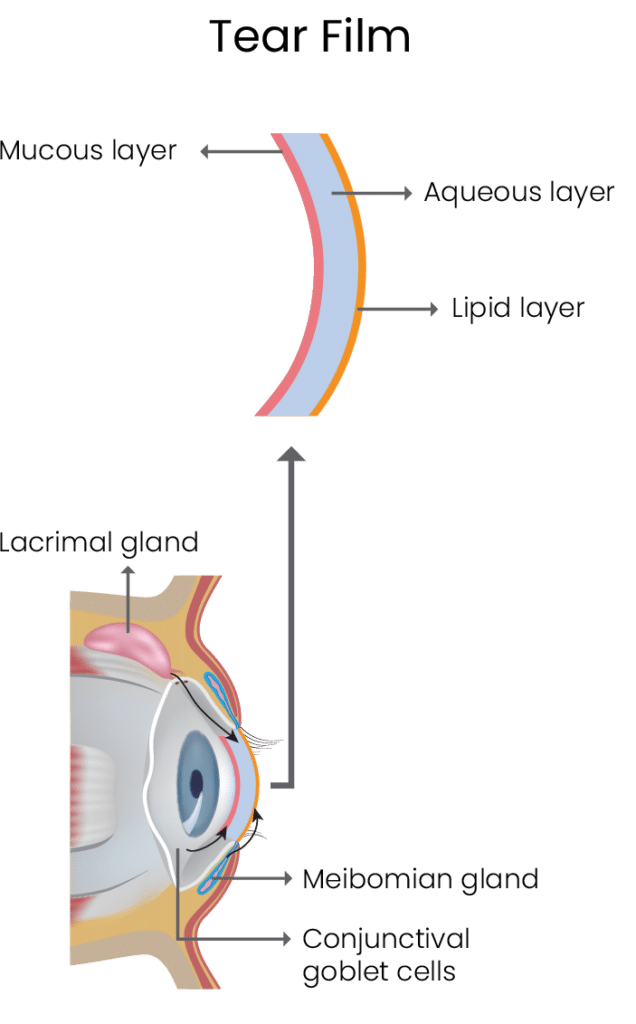
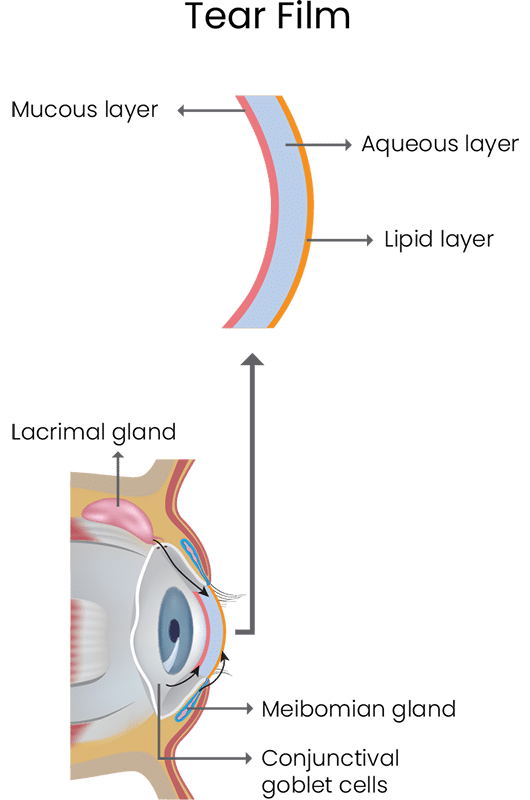
Dry eye syndrome develops when your eye surface does not have sufficient moisture or lubrication. This moisture the tear film is a thick, stable fluid that is required to protect the eye.
Without enough tear film, your eyes can become dry and inflamed. In severe cases, this ongoing eye damage can lead to scarring and loss of vision.

What are symptoms of dry eye syndrome?
- Itch
- Aches
- Fatigue
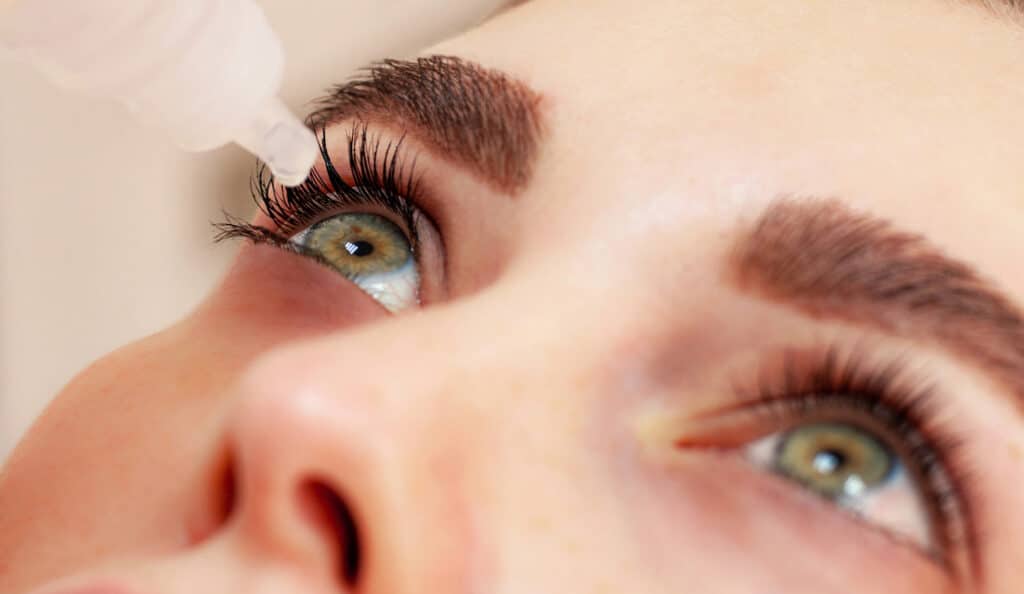
Dry eye syndrome can be uncomfortable. Symptoms include itchy, burning or aching eye, as well as eye fatigue and heaviness, redness and blurred vision.
What causes dry eye syndrome?
Dry eye can result from tear glands secreting insufficient fluid, or the existing fluid evaporating too quickly. This can be due to age, hormones, some syndromes, computer use or other environmental factors.
How we diagnose dry eye syndrome
At the eye health centre, we offer a range of contemporary diagnostic and treatment options depending on your condition. We will assess your dry eye syndrome using a range of eye tests and clinical signs.
This includes:
- Visual acuity evaluations to test vision
- Ocular surface integrity assessment to check your eye surface health
- Lacrimal secretion (schirmer test) to assess your eyes moisture production
- Keratograph 5 advanced corneal topography to monitor your tear gland function
- Tearlab to assess the tear biochemistry
How we help treat dry eye syndrome
Our eye health professionals can recommend an appropriate treatment for your dry eye condition, based on your circumstances. Treatment options can include:
Frequently Asked Questions
Do you have a question or concern about your eye health?
To discuss your condition with an experienced ophthalmologist or optometrist, please contact The Eye Health Centre.