
SMILE
Small Incision Lenticule Extraction
If you’ve been considering laser vision correction, you’ve likely come across LASIK as the most well-known option. However, advances in technology have introduced alternatives that may better suit some patients’ needs.
SMILE eye surgery is one such innovation, offering a minimally invasive approach to correcting nearsightedness and astigmatism. At The Eye Health Centre, our ophthalmologists specialise in this state-of-the-art procedure, helping patients achieve clear vision with advanced techniques.

What is SMILE?
SMILE is a laser vision correction procedure that treats nearsightedness and astigmatism. The name stands for Small Incision Lenticule Extraction. Unlike traditional LASIK, which requires creating a corneal flap, SMILE reshapes your cornea through a much smaller incision.
During SMILE, a femtosecond laser creates a tiny, lens-shaped piece of tissue called a lenticule within your cornea. Your eye surgeon then removes this lenticule through a small incision, typically just 2-4 millimeters long. This removal reshapes the cornea, correcting your refractive errors and improving your vision.
After SMILE, you can look forward to improved vision and reduced dependence on glasses or contacts, enhancing many aspects of your life from daily routines to sports to travel.

Benefits of SMILE
SMILE offers several advantages that make it an attractive option for many patients seeking freedom from glasses and contacts. The procedure uses a minimally invasive approach, interfering with fewer corneal nerves than traditional refractive surgeries.
This design can improve corneal stability and reduce the risk of post-surgical dry eye symptoms. Because SMILE doesn’t require creating a 20-millimeter corneal flap like LASIK does, your cornea maintains more of its structural integrity. This makes SMILE particularly beneficial for patients with thinner corneas or those with active lifestyles who may be concerned about flap-related complications. Many patients also appreciate the quick recovery timeline associated with SMILE.
Most people are able to resume light activities within 24 to 48 hours after the procedure, with vision continuing to stabilize over the following one to two weeks. The absence of a corneal flap eliminates concerns about flap-related complications, potentially reducing healing time and allowing you to get back to your routine faster.
What Happens During SMILE?
Understanding what to expect during SMILE eye surgery can help you feel more comfortable and prepared for the procedure. Your ophthalmologist begins by applying anesthetic drops to your eyes to ensure you remain comfortable throughout the surgery. You’ll be awake during the procedure, but you won’t feel any pain.
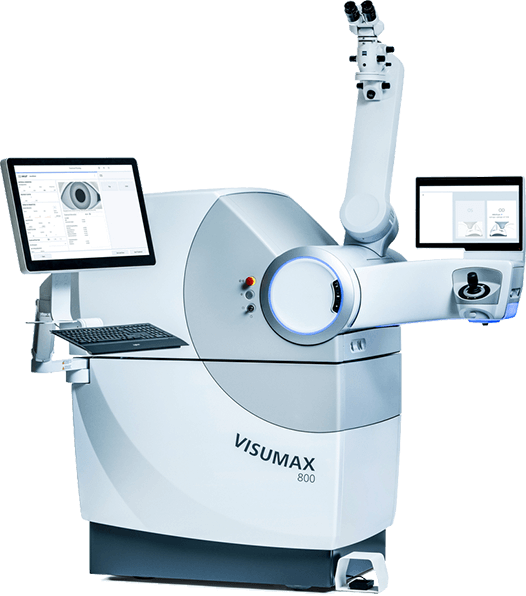
Next, a femtosecond laser creates a precisely shaped lenticule within your cornea, along with a small incision on the cornea’s surface. This part of the procedure takes only about 30 seconds per eye. The laser works with incredible accuracy to create the exact correction your vision needs.
Your eye surgeon then carefully removes the lenticule through the tiny incision using specialised instruments. This removal reshapes your cornea, correcting your nearsightedness and astigmatism. The procedure concludes without requiring any stitches as the small incision heals naturally on its own.
The entire process, including preparation and immediate recovery, is typically completed within an hour. You’ll need to arrange for someone to drive you home after the procedure, as your vision will be blurry immediately following surgery.
Am I a Good Candidate for SMILE?
SMILE can be an excellent option for many people seeking vision correction, but it’s not suitable for everyone. The Eye Health Centre is dedicated to providing the best possible outcomes for all our patients. We conduct comprehensive candidacy consultations that include detailed eye exams, a review of your medical history, and a discussion about your vision goals before proceeding with SMILE.
Generally, good candidates for SMILE:
- Are adults 22 years and older
- Have had stable vision for at least one year
- Have nearsightedness or astigmatism
- Do not have farsightedness
- Are not pregnant or nursing
- Do not have autoimmune conditions like lupus, rheumatoid arthritis, or Sjogren’s syndrome, or other conditions that impair the healing process
- Do not have eye conditions like cataracts, glaucoma, or uveitis
- Have realistic expectations about the results of SMILE
During your consultation at The Eye Health Centre, our optometrists and ophthalmic specialists will perform thorough testing to evaluate your corneal topography, thickness, and overall eye health. Our advanced technologies include the Oculus Pentacam HR, NIDEK OPD Scan III, and Cyclorefraction.
Keep in mind that SMILE can only correct vision in people with nearsightedness and astigmatism. If you have farsightedness, our eye care professionals can discuss alternative treatment options, such as ICL, LASIK and PRK, that may better address your needs.
What is Recovery Like After SMILE?
After SMILE eye surgery, most patients enjoy a smooth recovery period with relatively little discomfort. Immediately after your procedure, you may experience mild blurring, light sensitivity, or a gritty sensation in your eyes. These side effects are normal and typically subside quickly.
Most patients notice vision improvement within the first day after surgery, though complete stabilization may take one to two weeks. Many people can return to work and resume most daily activities within 24 to 48 hours after the procedure. Your specific timeline may vary based on your individual healing process and the nature of your work or activities.
During your recovery period, your eye doctor will prescribe medicated eye drops to prevent infection and reduce inflammation. Following the specific instructions for how and when to use these drops is important for optimal healing. You’ll also have scheduled follow-up appointments so your doctor can monitor your progress and address any concerns.
Some activities should be avoided during the initial recovery period. Swimming and hot tubs should be avoided for at least two weeks, as should the use of eye makeup. You should postpone contact sports for at least one month and avoid rubbing your eyes for several weeks.
Your eye doctor will provide detailed postoperative care instructions tailored to your situation and let you know when it’s safe to resume all your normal activities. Are you ready to discover whether SMILE could be your path to crystal clear vision? Schedule a SMILE consultation at The Eye Health Centre today to learn more about this advanced vision correction option!
Want to Learn More?
Are you ready to discover whether SMILE could be your path to crystal clear vision? Schedule a SMILE consultation at The Eye Health Centre today to learn more about this advanced vision correction option!